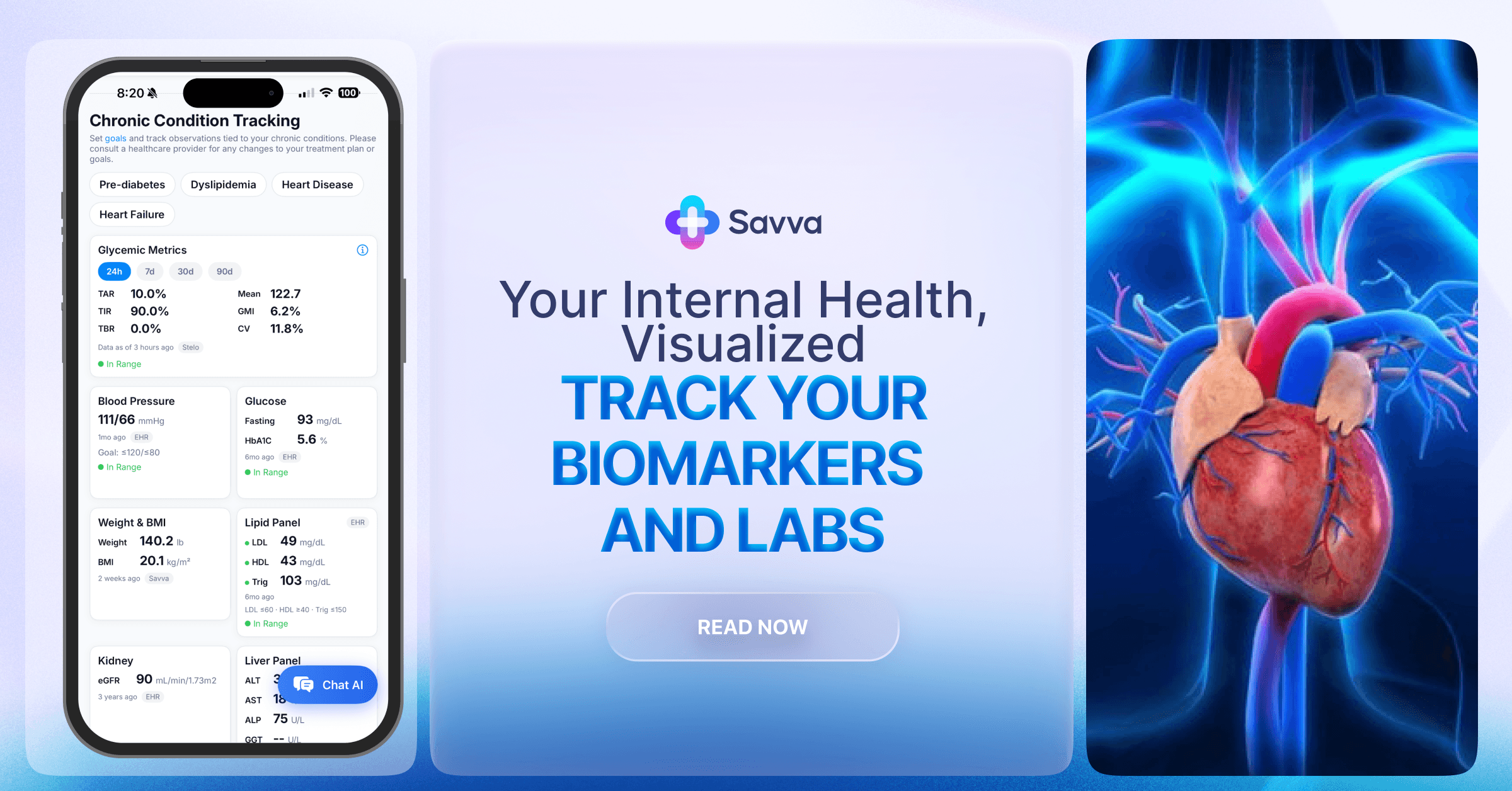


Many people track steps, sleep, and exercise every day, but kidney-related lab values are often harder to place in context. eGFR is one of the numbers that tends to show up in a portal or lab report without much explanation around what should be reviewed next.
The useful question is usually not “What does this one number mean on its own?” but “How does it fit with the rest of my record?”
What eGFR Measures
eGFR stands for estimated glomerular filtration rate. It is a commonly used estimate based in part on creatinine and is often reviewed as one way to understand kidney-related lab trends.
Reference ranges are often summarized this way:
- 90 or higher
- 60 to 89
- Below 60
Those cutoffs are commonly used in medical settings, but they are not meant to replace clinical context. Age, baseline history, medications, hydration, and related tests can all affect how a result is discussed.
Why One Result Rarely Tells the Whole Story
Like many lab values, eGFR is usually more useful when it is reviewed as part of a pattern.
People often compare:
- More than one test date
- Creatinine on the same dates
- Urine testing such as albumin or protein
- Blood pressure history
- Medication and supplement use
That broader view can make follow-up more grounded than reacting to one number in isolation.
Other Kidney-Related Measurements Often Reviewed
Depending on the situation, clinicians may review eGFR alongside:
Each measurement adds a different piece of context. Viewed together, they can make a record much easier to review over time.
Everyday Factors That Can Affect the Conversation
People often connect eGFR only to one organ system, but many day-to-day factors may become part of the discussion around kidney-related labs, including:
- Hydration
- Blood pressure
- Use of over-the-counter pain medications
- High-sodium foods
- Intense exercise before testing
- Recent illness
That does not mean any one factor explains a result. It means the surrounding record often matters.
Questions Worth Asking After an eGFR Result
Helpful follow-up questions often include:
- How does this compare with my earlier results?
- Which related lab values should I review at the same time?
- Could recent illness, exercise, or medications affect the number?
- Should urine testing or repeat labs add context here?
- What trend should we keep watching over time?
These questions keep the focus on review, timing, and follow-up rather than quick conclusions.
Why Organized Records Matter
For many people, the hardest part is not accessing one result. It is seeing several results in one timeline.
A connected record can help organize:
- Kidney-related labs across multiple dates
- Blood pressure next to lab history
- Medication changes next to testing
- Related notes and follow-up plans
That kind of organization makes it easier to prepare for a provider conversation and easier to understand how the record has changed over time.
Final Thoughts
eGFR is a useful number, but it works best as part of a larger record. Looking at trends, related labs, and daily context usually leads to better questions and a clearer review than focusing on a single isolated result.
The practical next step is often straightforward: compare dates, gather the surrounding labs, and bring the timeline into the next clinical discussion.