
For ten years, your medical record has been accumulating details about appointments, medications, tests, and follow-up care. You just haven’t seen them in one place.
Most people experience healthcare in moments such as a doctor visit, a lab result, or a prescription. But when you align ten years of medical history in chronological order, something shifts. The story stops being about isolated events and starts becoming about long-term change over time. That longer view changes how you review your health history.
The Illusion of “I’m Fine”
Healthcare trains us to think only about what’s happening right now. If today’s lab result is within range and today’s symptoms feel manageable, everything appears stable. Each appointment feels like its own separate moment, and once it’s over, most people move on. But the body does not reset after each visit. It moves gradually, continuously, and often quietly.
When ten years of visits, imaging, prescriptions, and lab results are viewed together, you can review details you’d never catch from one appointment. You can review patterns, repeat issues, and small changes that build up slowly without anyone calling them out. Most long-term health problems don’t start with a sudden emergency. They often start with small changes that quietly add up over time.
Slow Drifts You Never Felt
Some of the most important changes in your body happen gradually, without urgency or pain. Over a ten-year longitudinal health record, you might notice:
- Resting heart rate increasing slightly year after year
- LDL cholesterol rising in small increments
- Fasting glucose shifting from 85 to 92 to 99 to 104
- Weight fluctuating upward during prolonged stress
- Blood pressure moving from 118/76 to 132/84
No single visit felt urgent. But when you look at ten years together, the pattern becomes clear. Healthcare usually steps in only when a number crosses a line. It doesn’t pay as much attention when numbers slowly creep up over time. That slow climb can matter more than any one “normal” result.
The Limits of Snapshot Medicine
Healthcare usually focuses on what’s happening right now. Physicians evaluate current symptoms, immediate risk, and what requires action now. That approach is necessary and practical.
But looking at one moment at a time has its limits. A longitudinal record can help you review questions like:
- Has this value remained stable or slowly drifted?
- Did this change begin before or after a medication was introduced?
- Have similar complaints appeared repeatedly over the years?
- Was a recommended follow-up ever documented again?
Without continuity, those long-term patterns are harder to review. With continuity, they become easier to see.
When One Prescription Becomes Five
Over ten years, prescriptions often accumulate gradually. Each addition is usually reasonable at the time, but rarely reviewed collectively across a long span. A longitudinal timeline might show:
- A blood pressure medication added in year three
- A statin introduced in year five
- A sleep aid prescribed during a stressful period
- A short-term medication that was never formally discontinued
Individually, each decision made sense. Together, the cumulative effect can be surprising. The surprise is not that medications were added. The surprise is how rarely they are reviewed as a whole. Long-term visibility brings clarity to patterns that feel invisible year to year.
Patterns Across Providers
Over a decade, most people interact with multiple healthcare systems:
- Primary care
- Specialists
- Urgent care
- Hospital networks
- Telehealth providers
Each provider documents independently, often inside different electronic health record systems. Fragmentation becomes the norm. When those records are unified into a single longitudinal view, patterns become easier to review:
- Recurring complaints documented years apart
- Symptoms that appeared intermittently but were never connected
- Imaging findings referencing older results
- Risk details documented across visits but never revisited.
Healthcare often feels fragmented because the data is fragmented. Continuity changes that experience.
Imagine Seeing It All at Once
Picture logging in and scrolling through ten years of your health in one structured timeline.
You see:
- 2016: First mention of elevated cholesterol
- 2018: Sleep complaints documented
- 2019: Weight slowly trending upward
- 2020: Activity levels decline during a stressful year
- 2022: Blood pressure slightly higher
- 2024: Medication introduced
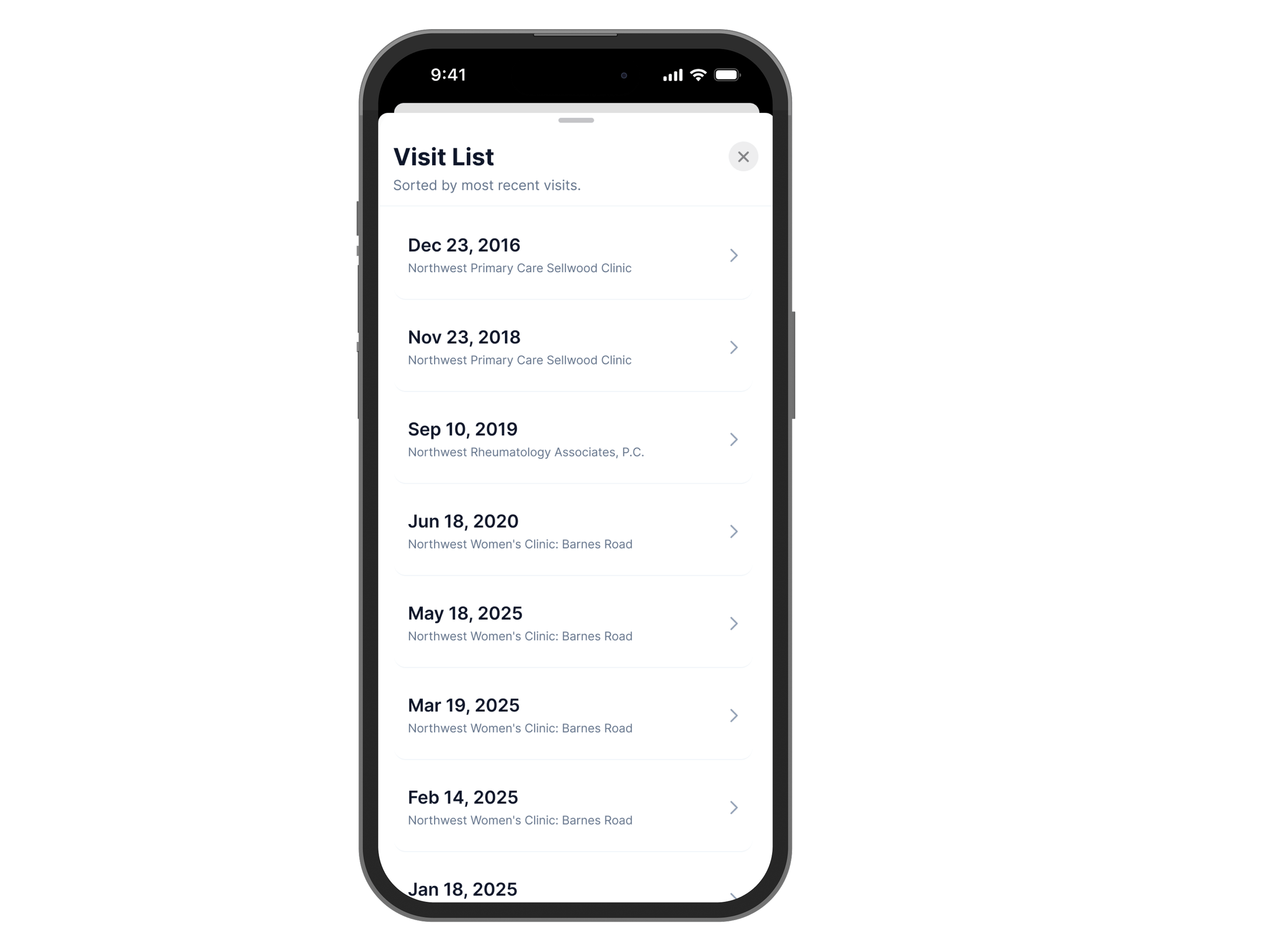
At no point did a single visit feel dramatic. There was no emergency and no crisis. But when you look at your medical records over the past decade, you can see the pattern. You’re not just reacting to one appointment at a time anymore. You’re seeing where things have been heading.
When Fitness Data Meets Medical History
Wearables add another layer to a longitudinal record. Over ten years, fitness trends may show:
- Daily step averages gradually decreasing
- Sleep duration shrinking over time
- Recovery slowing during high-stress years
- Heart rate variability trending downward
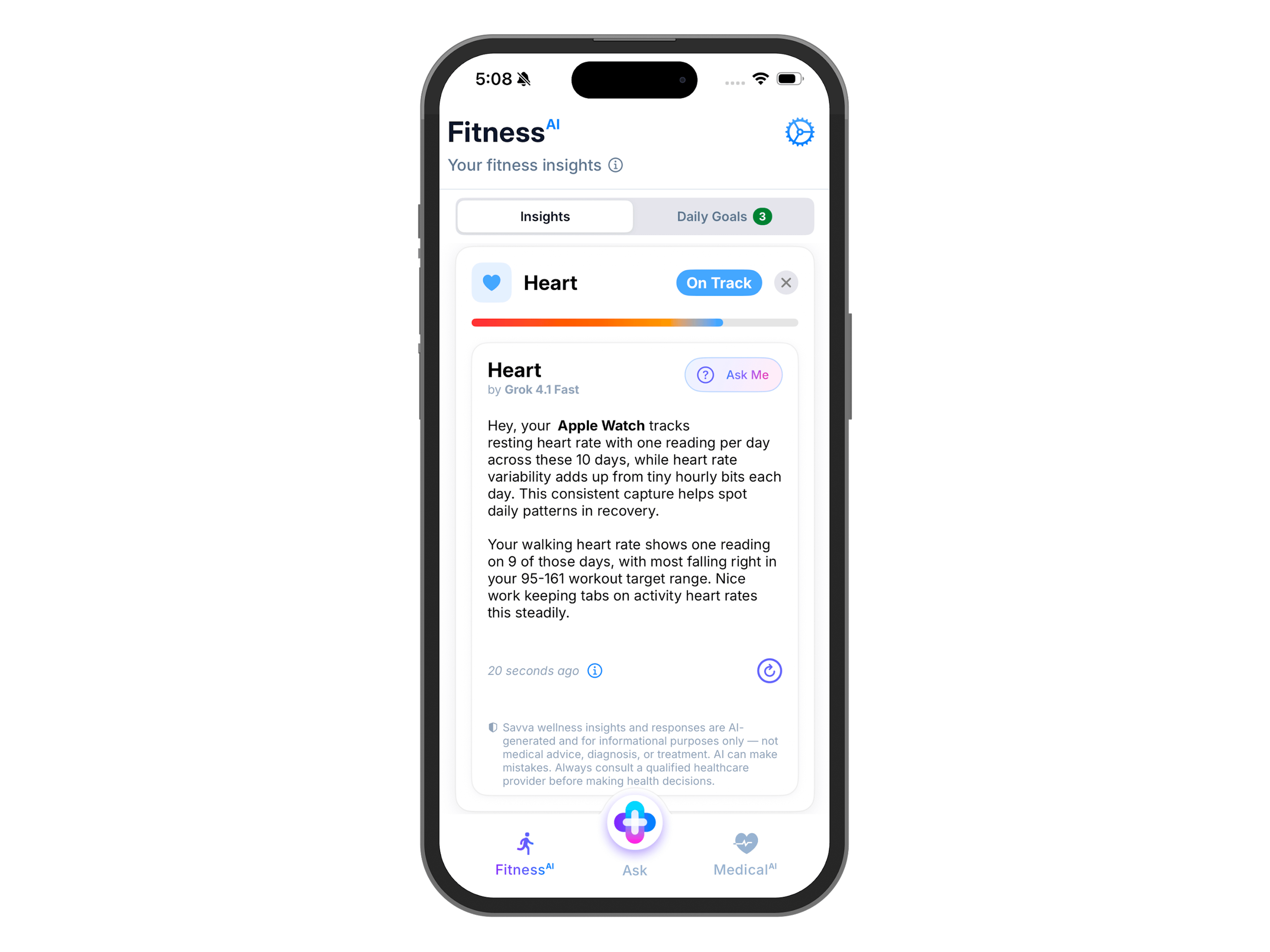
When aligned with medical documentation, additional context appears in the timeline. Activity trends, sleep patterns, and heart rate data can be reviewed alongside medical events in one continuous view. Fitness data alone can feel abstract. Medical records alone can feel clinical. Together, they provide context.
Record organization tools can help unify medical records across providers and align them with wearable trends in one structured timeline, making long-term changes easier to review. The purpose is clearer organization, not a clinical conclusion.
Early Signals That Never Crossed a Line
Healthcare usually takes action when a number goes past a set cutoff. But when you look at your records over time, you can review how numbers have changed over time. Across a decade, you might observe:
- Blood sugar rising gradually by small increments
- Blood pressure creeping upward year after year
- BMI increasing slowly without dramatic spikes
No single visit captured the full picture. But a longer view makes those gradual changes easier to bring to your next appointment.
Why Most People Have Never Seen Their Full Timeline
Health information lives in separate portals, different EHR systems, archived hospital databases, and sometimes PDFs or paper documents. Even when everything exists digitally, it rarely exists in one coherent longitudinal format. When information is scattered, the full picture remains scattered.
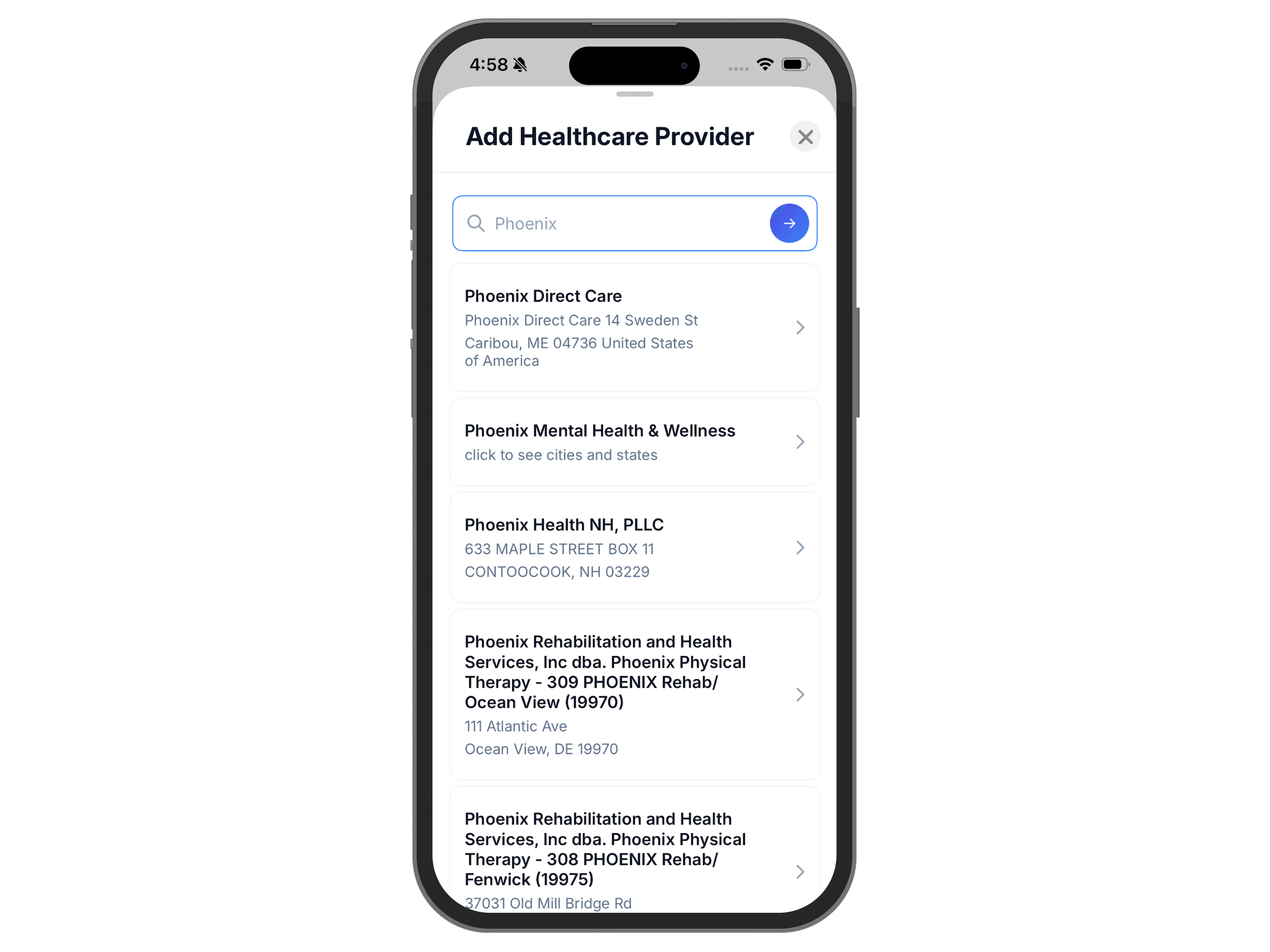
Platforms that connect records across institutions can create a more unified view, allowing individuals to review ten years of health history continuously instead of navigating disconnected systems.
The Bigger Perspective
A longitudinal health record does not tell you what comes next. It does not replace clinical expertise. What it offers instead is awareness of direction, accumulation, and continuity. Most people live in the present tense of their health. The body moves in long arcs that only become visible across years.
Ten years is often long enough to make those long-term changes easier to review. When health data is viewed as isolated snapshots, review remains limited to the moment. When it is viewed as a connected timeline, patterns emerge that were always there but rarely acknowledged.
If you could see a decade of your health at once, you might ask different questions. Better questions often lead to better conversations with your provider. That is the real value of longitudinal thinking. It is also the kind of clarity that better record organization can support.
FAQ
1. What is a longitudinal health record?
A longitudinal health record is a continuous, time-ordered view of your medical history across multiple providers, visits, labs, and years rather than isolated encounters.
2. Why is a 10-year medical history important?
Ten years is often long enough to reveal slow trends, recurring patterns, medication accumulation, and overall direction over time that are invisible in short-term snapshots.
3. How is longitudinal data different from a patient portal?
Most patient portals show records from one system only. A longitudinal view combines records across institutions into one continuous timeline.
4. Can wearable data really add value to medical records?
Yes. When aligned with medical events, wearable trends such as sleep, heart rate, and activity levels provide context that isolated clinical data cannot show.
5. Does reviewing a long-term record replace medical advice?
No. It helps organize information and prepares better questions, but clinical decisions should always involve licensed healthcare professionals.
6. How can someone see their health history in one place?
Record organization tools can connect medical records from multiple providers and present them in a unified, structured timeline for easier long-term review.